Choking Agents (aka Pulmonary agents as they irritate the lungs)
[Gas] is a cowardly form of
warfare which does not commend itself to me or other English
soldiers, but it is clearly impossible to get the enemy to desist
from this and other contraventions of previously recognized rules
of warfare by holding up our hands with abhorrence at such
unseemly conduct on his part. . . .
Lieutenant General Sir Charles Ferguson
Choking agents were employed first by the German army and later by the Allied forces in World War I. The first massive use of chemical weapons in that conflict came when the Germans released chlorine gas from thousands of cylinders along a 6-km (4-mile) front at Ypres, Belgium, on April 22, 1915, creating a wind-borne chemical cloud that opened a major breach in the lines of the unprepared French and Algerian units. Eventually both sides mastered the new techniques of using choking agents such as chlorine, phosgene, diphosgene, chloropicrin, ethyldichlorarsine and perfluoroisobutylene, and launched numerous attacks though without any militarily significant breakthroughs once each side had introduced the first crude gas masks and other protective measures.
Choking agents are delivered as gas clouds to the target area, where individuals become casualties through inhalation of the vapour. The toxic agent causes inflammation of the lungs and this causes fluids to build up in the lungs, which can cause death through asphyxiation. The effects may take up to three hours to be apparent. The long-term effects may last for many years.
Choking agents are not generally likely to be used in conventional warfare, but due to their ease of manufacture some have been used in recent years by countries that are not regarded as technologically advanced, and could also be used by terrorists.
Carbonyl
chloride [CG, Phosgene] - COCl2
One of very few choking agents that are considered likely to be used in warfare today. It is a colourless gas; in low concentrations, its odour resembles freshly cut hay, but the smell may be so slight as to be undetectable by odour. At high concentrations it has a strong, pungent disagreeable smell. Because carbonyl chloride is used in a number of manufacturing processes from plastics to pesticides it is readily available in large quantities. It is also easy to synthesise. It is relatively easy to liquify. When liquid phosgene is released, it quickly turns into a gas that stays close to the ground and spreads quickly.
Signs and symptoms of exposure
depend on how the person was exposed, how much they were exposed
to, and how long.
During or immediately after exposure to dangerous levels of
phosgene, the following signs and symptoms may develop: chest
tightness, coughing, choking, burning sensation in the respiratory
tract, and eyes, blurred vision, lachrymation, shortness of
breath, rapid shallow breathing, frostbite if exposed to liquid
phosgene, headache, nausea and vomiting. These signs and symptoms
may also be delayed for up to 48 hours.
There are other delayed effects that may not show for up to 48
hours. These effects include: breathing difficulty, coughing
up white to pink-coloured fluid (sign of pulmonary edema), low
blood pressure, respiratory failure, heart failure.
Chlorine [Bertholite,
Red Star, Chlor] - Cl2
Chlorine gas can be recognized by its pungent, irritating odour, it smells like bleach which contains high concentrations of chlorine. The strong smell may provide adequate warning to people that they are exposed. Chlorine gas is yellow-green in colour. Chlorine is readily liquified.
Chlorine can explode or create
explosive products with many common substances. They include:
acetylene, ether, turpentine, ammonia, fuel gas, hydrogen, and
finely divided metals.
Most people will smell the chemical or feel irritation that tells
you that you are exposed to chlorine. Exposure for a long time may
affect people's ability to sense the chemical. Some people with
asthma or other lung diseases may be more sensitive to breathing
chlorine than others.
Effects depend on how the person was exposed, how much they were
exposed to, and how long they were exposed for.
When chlorine gas touches moist tissues (like the eyes, throat,
and lungs) it creates an acid that can injure these tissues.
If high amounts are breathed in, breathing problems may show up
right away. Symptoms of exposure to higher levels of chlorine
include the following: blurred vision, lachrymation, burning
sensations in the respiratory tract, coughing, coughing up white
to pink-coloured fluid (sign of oedema), chest tightness,
shortness of breath, rapid and shallow breathing, respiratory
failure, frostbite if exposed to liquid chlorine, nausea,
vomiting, skin pain, (with erythema, blisters). If low
amounts are breathed in, symptoms may show up later.
Because chlorine gas is heavier than air, it will sink to lower areas and increase the risk of exposure there.
Chlormethyl
chloroformate [Palite, K-stoff, C-Stoff] -
ClCOOCH2Cl
Chloromethyl chloroformate
appears as a colourless liquid at normal temperatures with a
penetrating, irritating odor. It is denser than water. It is
toxic by ingestion, inhalation and skin absorption.
Inhalation, ingestion or contact (skin, eyes) with vapour or
liquid may cause severe injury, burns or death. When it comes into
contact with moist tissues such as the eyes, throat, and lungs, an
acid is produced that can damage these tissues. Acute Symptoms of
Exposure
Inhalation: Exposure to vapors causes immediate irritation to the
nose and throat, coughing, labored breathing, and shortness of
breath. It is fatal if inhaled, and severe exposure can cause
pulmonary edema (a build-up of fluid in the lungs). Skin contact:
causes severe skin burns, pain, and blistering. It is absorbed
through the skin, potentially leading to systemic toxicity. Causes
severe eye damage, deep burns, pain, and redness, with the risk of
permanent blindness.
Ingestion: Causes severe burns to the digestive tract, resulting
in a burning sensation in the mouth and throat, abdominal pain,
shock, or collapse. Symptoms of pulmonary edema can be delayed for
several hours after exposure and are often worsened by physical
exertion.
Chloropicrin [Nitrochloroform,
Aquinite, PS, NC, Klop, vomiting gas] - CCl3NO2
A colorless to faintly yellow
oily liquid, which vapourises readily. It has an intensely
irritating odour. Inhalation of 1 ppm causes eye irritation and
can warn of exposure. Historically described as smelling like “fly
paper,” it was first patented in 1908 as an insecticide. With
increasing dose or prolonged exposure (likely because chloropicrin
breakdown products include both chlorine and phosgene), death can
occur from pulmonary edema. It acts as a severe eye and
respiratory irritant - often classified as tear gas or a choking
agent, causing pulmonary edema, vomiting, and skin burns.
It is extremely toxic if
inhaled, with an Immediate Danger to Life and Health (IDLH) value
of 2 ppm. It acts as a lung-damaging agent, capable of causing
severe pulmonary edema and severe eye damage. Symptoms of exposure
include: Intense lachrymation, irritation of the eyes, and
potential eyelid swelling, coughing, wheezing, laryngitis, and
shortness of breath, skin irritation, erythema, and blistering.
Dichlorodimethyl
ether & dibromodimethyl
ether (also described as labrynthic
substances) - (CH2Cl)2O & (CH2Br)2O
Both compounds have a
suffocating and irritating odour. When they come into contact with
moist tissues such as the eyes, throat, and lungs, formaldehyde
and hydrochloric acid are produced that can damage these tissues.
Severe eye damage can occur at very low levels of exposure, below
those detectable by the sense of smell. Both of these agents
affect the balance or labrynthic mechanism of the inner era, this
means that victims have difficulty balancing and experience
dizziness or vertigo.
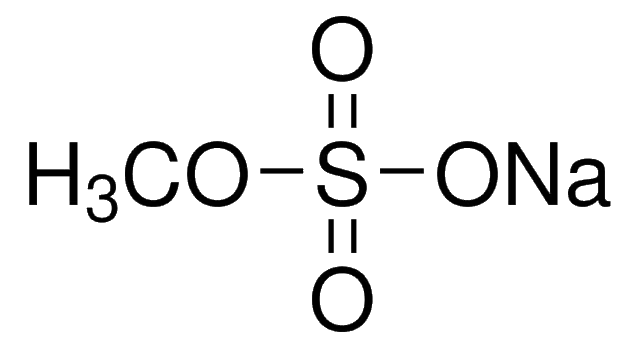
Dimethyl
sulphate [Rationite, D-Stoff] - (CH3)2SO4
Dimethyl sulphate is a colourless oily liquid with a slight onion-like odour (although smelling it would represent significant exposure). Dimethyl sulfate is absorbed through the skin, mucous membranes, and gastrointestinal tract, and can cause a fatal delayed respiratory tract reaction. Dimethyl sulphate can produce a lethal concentration in air by evaporation at 20°C. It is highly toxic if inhaled, ingested, or absorbed through the skin. The vapour is extremely irritating and has poor warning properties, meaning it can cause severe damage before being detected.
Symptoms of exposure include:
cough, sore throat, shortness of breath, headache. Symptoms may be
delayed. Contact with the skin causes erythema, pain,
blistering, skin burns. Eye contact causes redness, pain, burns,
permanent blindness. Oral ingestion causes burns in mouth and
throat, burning sensation in the throat and chest, abdominal
cramps, vomiting, convulsions, shock or collapse.
Long-term or repeated exposure may cause: allergic skin reaction, genetic defects, cancer, damage to liver, kidneys and lungs.
Diphosgene [DP,Trichloromethylchloroformate, Surpalite, Superpalite, Perstoff] - ClCOOCCl3
Diphosgene is characterized as
a colourless liquid with an odour that is variously described as
like newly mown hay, or mouldy hay. It is liquid at normal
temperatures but readily produces vapour at toxic concentrations.
Similar to phosgene in reactivity; it decomposes slowly in water
or moisture to release hydrochloric acid and carbon monoxide.
Onset of symptoms is dependent on the concentration but usually
rapid. Low-concentration exposure causes chest discomfort and
dyspnoea. High-concentration exposure quickly causes acute lung
injury with cough, dyspnoea and frothy sputum rapidly followed by
respiratory failure, shock and death. Skin contact may cause burns
or frostbite, causes lachrymation. It can be absorbed into the
body in hazardous amounts by inhalation, ingestion, or contact, it
is not readily absorbed through the skin.
Ethyldichloroarsine [Dick,
EDED, TL-214; Dichloroethylarsine, Ethyldichloroarsine,
dichloro(ethyl)arsane, Ethylarsenic dichloride, Ethylarsonous
dichloride] - C2H5AsCl2
A colourless liquid with a fruity biting irritating odor. Denser than water and vapours are heavier than air. Ethyldichloroarsine is a powerful irritant that can induce pulmonary edema; It reacts with water to release hydrochloric acid. The liquid produces blisters after an exposure of less than one minute. Bleach may be used to decontaminate ethyldichloroarsine in closed spaces. In open areas, the substance decomposes rapidly without need for decontamination.
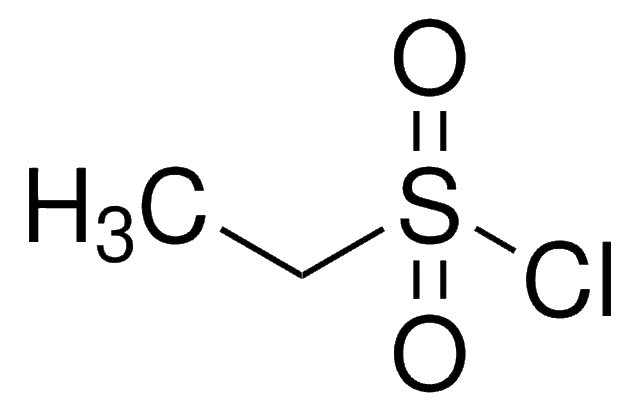
Ethylsulfuryl
chloride [Sulvanite, ethanesulfonyl
chloride, Ethylsulfuryl Chloride, 1-Ethanesulfonyl Chloride] ClSO3C2H5
A pale yellow to light brown or
purplish corrosive liquid, with a strong, pungent odur. It
is more dense than water and insoluble in water. Very toxic by
ingestion, inhalation, or skin absorption. Ethylsulfuryl Chloride
is a moderately persistent and toxic lachrymatory agent. A
concentration of as low as 1.00 milligrams per litre is toxic.
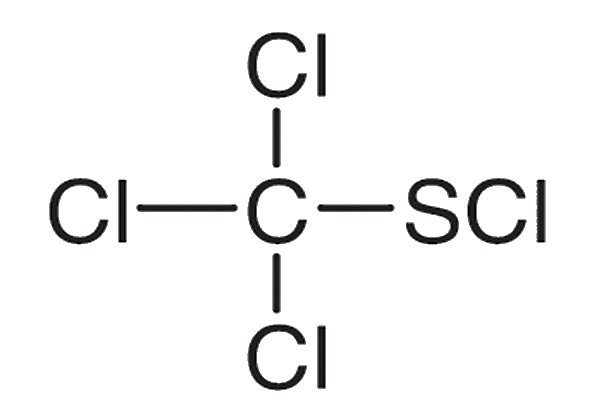
Perchlormethylmercaptan [Carbon
tetrachlorsulfide, Clairsite, Perchloromethyl mercaptan,
Trichloromethane sulfenyl chloride, Trichloromethyl sulfur
chloride] - SCCl4
Pale-yellow, oily liquid with
an unbearable, acrid odour. Causes breathing difficulty.
Very toxic by inhalation or skin absorption. Exposure to high
concentrations may cause pulmonary oedema and death. A severe
skin, eye, and respiratory tract irritant. Liquid may cause severe
corneal burns if not rinsed out promptly;
Phenylcarbylamine
chloride [Phenyl isocyanide chloride,
Phenylcarbylamine chloride, Phenyl isocyanide dichloride,
Phenylcarbonimidic dichloride, N-(Dichloromethylene)aniline] - C6H5CNCl2
An pale yellow, oily liquid with an onion-like odor. It is a lung irritant with lachrymatory effects. It is highly toxic by inhalation and skin absorption. Strongly irritates skin and mucous membranes. Density 1.265 g / cm3. Insoluble in water and soluble in alcohol. Noncombustible.
Phenyldibromoarsine
[Dibromophenylarsine] - C6H5AsBr2
Causes skin and eye blistering.
May cause respiratory irritation. Diphenylbromorarsine is known to
cause sneezing and coughing, therefore it is regarded as being a
sternutator, headache, salivation, and vomiting.
Thiophosgene [Lacrimite,
Carbonothioic dichloride, Thiocarbonyl dichloride, Thiocarbonyl
chloride] - CSCl2 -
An easily vapourisable red
liquid. A severe eye irritant. May severely burn skin on
contact. Inhalation causes pulmonary oedema.Very toxic by
inhalation and by skin absorption. Reacts with water to evolve
hydrogen chloride, carbon disulfide, and carbon dioxide. Reaction
is slow unless the water is hot. Combustion produces:
phosgene, hydrogen chloride, and sulfur dioxide all of which are
toxic. Above 200°C it
decomposes to carbon bisulfide (very flammable) and carbon
tetrachloride